Caregiver Organizers
Signs an Aging Parent Needs Help: Holiday Visit Questions
Quick answer: Signs an aging parent needs help are usually small, everyday changes: a nearly empty fridge, unopened mail, new dents on the car, trouble with stairs, or a change in mood. During a holiday visit, notice gently, ask open questions, write down what you see and talk with their doctor if you're worried.
Holiday visits can bring a quiet worry along with the joy. Maybe a parent told the same story twice in one evening, skipped a favorite tradition, or the house didn't look the way it usually does. If you came home this year and something felt different, we understand how unsettling that is. Noticing it is a caring thing to do.
This guide walks through what to look for, how to bring it up kindly and what to do next. It's about paying attention and starting a conversation, not about diagnosing anything.
This article is general information, not medical, legal or financial advice. If you're concerned about a parent's health or safety, talk with their doctor. If someone is in danger, call 911.
Why are holiday visits a good time to check in?
Phone calls can hide a lot. "I'm fine" sounds the same whether the week went well or not. When you're in the house for a few days, you see ordinary life: how meals happen, how the mail is handled, how your parent gets up from a chair.
- You see the whole day. Mornings, evenings and the hours in between, not just a ten-minute call.
- Family is together. Brothers and sisters can compare notes in person instead of over text.
- There's time to talk. A slow afternoon or a drive can make a hard conversation feel more natural.
- You get a starting point. What you notice now gives you something to compare with next time.
One caution: holidays are tiring for everyone. Travel, noise, late nights and a full house can make anyone seem more forgetful or short-tempered than usual. Look for patterns over several days rather than one hard evening.
What everyday changes might you notice?
None of these on its own means something is wrong. They're simply things worth noticing, writing down and, if they continue, mentioning to your parent's doctor.
| Area | What you might notice | A gentle question to ask |
|---|---|---|
| Kitchen and meals | Little fresh food, expired items, scorched pots, clothes fitting differently | "What have you been cooking lately?" |
| Mail and bills | Piles of unopened mail, late notices, more prize or charity letters than usual | "Want some help sorting the mail while I'm here?" |
| Medicines | Bottles past their refill date, pills left in the weekly box, unsure what was taken when | "Can you walk me through your pills? I'd like to understand them." |
| Moving around | Holding on to furniture, avoiding the stairs, new bruises, trouble getting up from a chair | "Have you had any falls or close calls?" |
| Home and safety | Clutter on stairs, dim lighting, laundry piling up, chores left undone | "Is anything around the house getting harder to keep up with?" |
| Driving | New dents or scrapes, getting lost on familiar roads, avoiding driving altogether | "How do you feel about driving at night these days?" |
| Mood and connection | Less interest in friends or hobbies, more time alone, seeming sad or worried | "Who have you been seeing lately?" |
| Memory | Repeating questions, missed appointments, trouble following a conversation | "Is anything feeling harder to keep track of?" |
Try not to inspect. Opening cabinets and checking pill bottles in front of your parent can feel like a test. If you help with the dishes, sort the mail together or offer to refill the weekly pill box, you'll see most of what you need to see, and your parent keeps their dignity.
How do you start the conversation kindly?
Most older adults want to stay independent, and a question can easily sound like a judgment. A few things help:
- Pick a calm moment. Not at the holiday table, and not in front of the whole family. A walk, a drive or a quiet cup of coffee works better.
- Start with what you noticed and why you care. "I noticed the stairs seemed hard yesterday, and I've been thinking about you" lands more gently than "You can't manage the stairs anymore."
- Ask, then listen. Open questions like "How are things really going?" give your parent room to answer. It's fine to let a silence sit.
- Ask what they want. "What would make things easier for you?" keeps your parent in charge of their own life.
- Keep it small. One topic per conversation is plenty. You don't need to settle everything before you leave.
- Expect more than one talk. If the first try doesn't go well, that's normal. You can come back to it on the next call or visit.
If your parent tends to brush off questions, it can help to share your own feelings instead: "I worry about you when I'm far away. Can we figure out something that would help me worry a little less?"
What should you write down after the visit?
A busy holiday blurs fast. Before you leave, or on the trip home, write down what you noticed while it's fresh. Keep it factual and kind, as if your parent might read it one day.
- What you saw, with dates. For example: "Dec 26: fridge mostly empty, two late notices from the electric company."
- What your parent said. Their own words about how things are going and what they'd like.
- Medicines and doctors. A current medicine list copied from the pharmacy labels, plus the names and numbers of their doctors and pharmacy.
- Questions for the doctor. Anything you'd like your parent to bring up at their next appointment.
- Who will do what. Who calls on Sundays, who helps with the mail, who goes along to the next appointment.
Shared notes help the whole family see the same picture instead of comparing memories. If medicines are part of the worry, our guide on how to keep track of a parent's medications shows a simple way to build one master list.
What are next steps if you're worried?
If you came away worried, you don't have to fix everything at once. Small, steady steps go further than a big announcement.
- Talk with your parent first. Share what you noticed and ask what they think would help.
- Encourage a doctor visit. Suggest your parent mention any changes at their next appointment, and offer to go along or help write down questions. Changes in memory, mood, weight or balance are all worth raising with a doctor.
- Share the load with family. Agree on a few small jobs each person can take on, even from far away.
- Start one home for information. A binder or shared file with medicines, doctors and emergency contacts makes it easier for anyone to step in. Our guide on how to organize an aging parent's medical information walks through it.
- Look into local help. In the US, the Eldercare Locator (1-800-677-1116, weekdays 8 a.m. to 9 p.m. ET) can connect you with the Area Agency on Aging near your parent for information about meals, rides and help at home.
- Plan the next check-in. A regular call, or a visit in a few months, lets you see whether things are steady or changing.
If this is the start of a new role for you, our gentle first-month checklist for caring for an aging parent can help you take it one week at a time.
One place for what you noticed
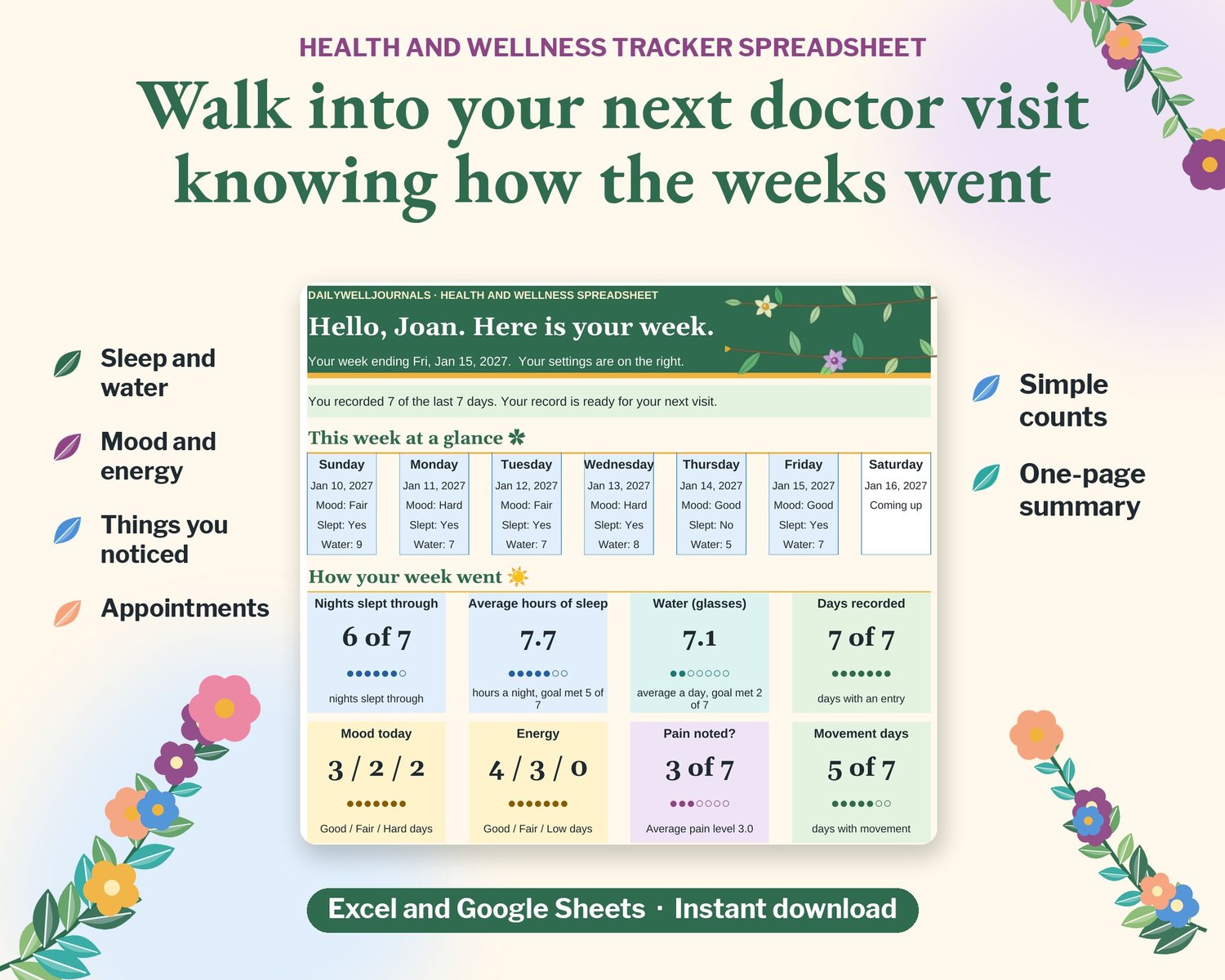
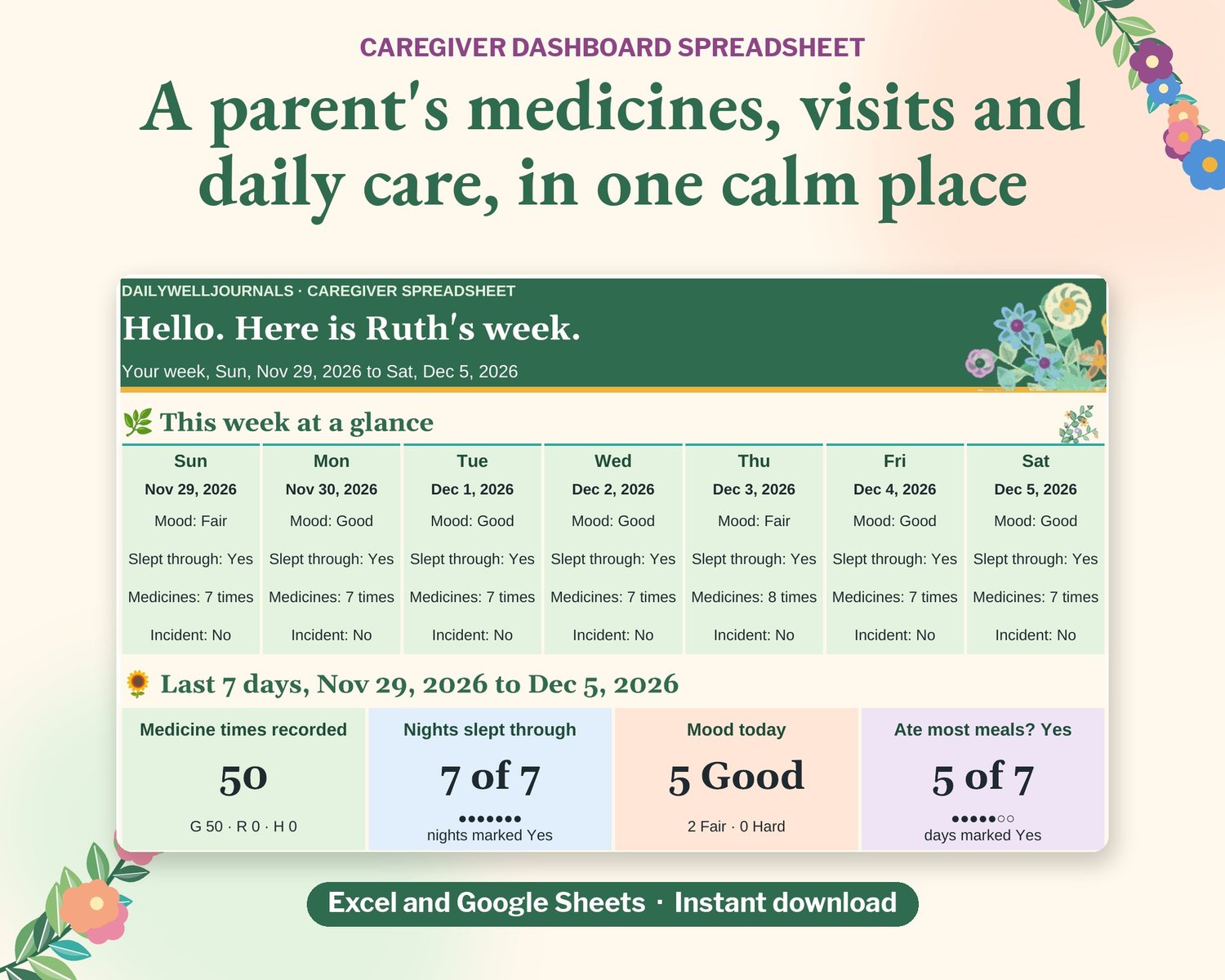
After a visit, it helps to have one place where everyone can see the same notes, even from different towns.
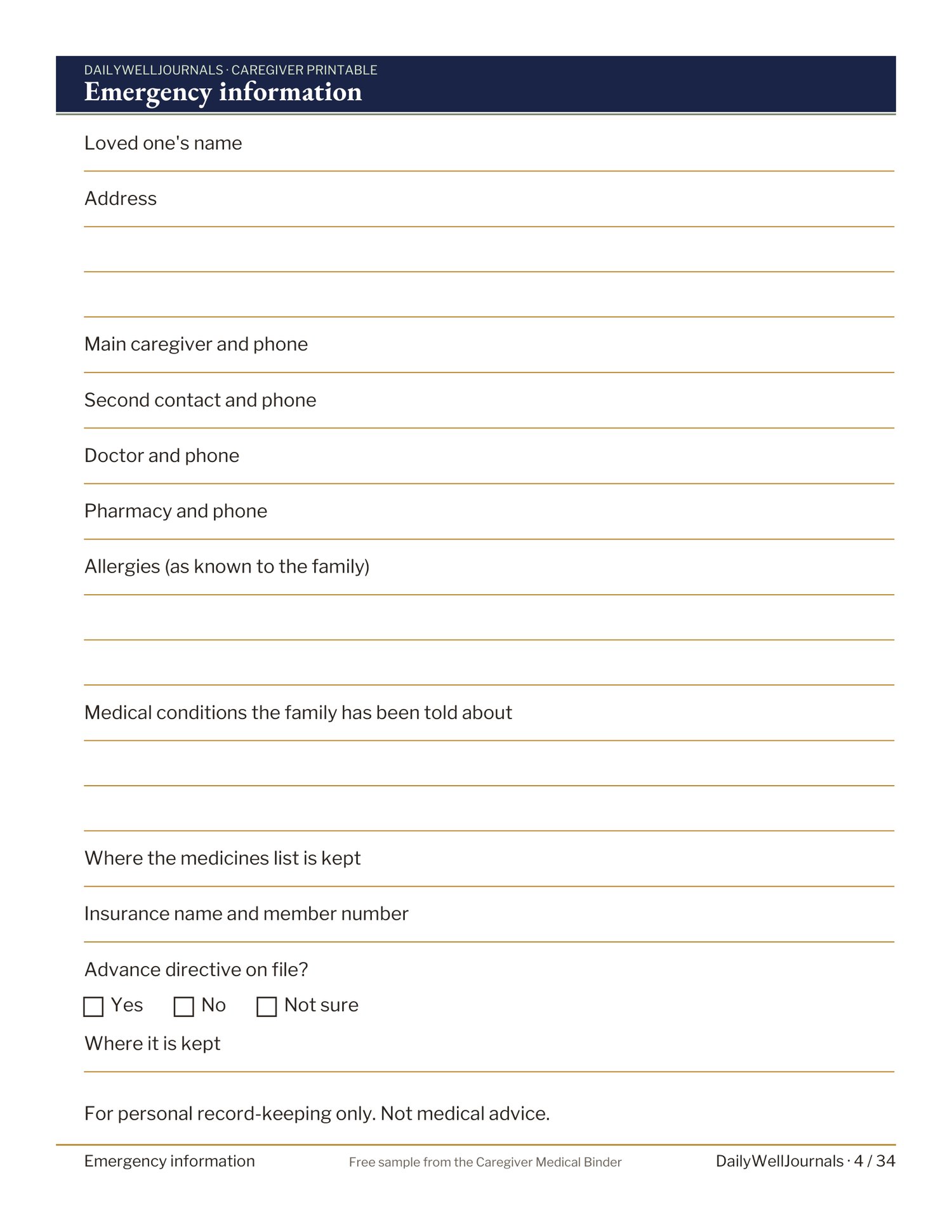
Prefer to start with paper? The free emergency information sheet is a good first page to fill in together during your visit.
Frequently asked questions
What should I look for when visiting aging parents at Christmas?
Look at everyday life: food in the fridge, the mail, medicines, how your parent moves around the house, the car, and their mood and memory. Small changes over several days matter more than one tired evening. Write down what you notice and talk with their doctor if you're worried.
What are common signs an aging parent needs help?
Common signs include unopened mail or late bills, little fresh food, missed medicines, new bruises or trouble with stairs, new dents on the car, less interest in friends or hobbies, and repeated questions. Any of these is worth noticing and, if it continues, mentioning to their doctor.
How do I bring up my concerns without upsetting my parent?
Choose a calm, private moment, start with what you noticed and why you care, and ask open questions. Let your parent say what they would like. Keep it to one topic, and expect more than one conversation.
What if my parent says everything is fine?
That's a very common first answer. Respect it, stay close and keep the door open. Offer small, specific help, like sorting the mail together, and check in again on your next call or visit.
Can I talk to my parent's doctor about what I noticed?
You can usually share what you've observed, but doctors generally need your parent's permission before discussing their health with you. Ask your parent whether you can join an appointment or help write down questions to bring.
How can family members who live far away help?
Take on a regular task that works from a distance, such as a weekly phone call, refill reminders, or keeping the shared notes and medicine list up to date. Planning the next visit ahead of time helps too.
Noticing is a kind of care
Coming home and seeing that a parent is struggling can be hard to sit with. Whatever you noticed this year, paying attention is already a loving thing to do. Take it one conversation at a time, write down what you see, and let the next steps come over the next few months.
This article is general information only and isn't medical, legal or financial advice.